
NIS Swim Teams
NIS Swimming is the only NIS sport that competes and trains all year round. It therefore requires more commitment and hard work than any other sport.
All swim teams participate in the 'NIS Swim Series' and the 'ISNAC swim meets'.
Swimmers aged 9 and over may compete at the local swim meets, the SSL Swim meets and ACAMIS swim meets (depending on ability).
Swimmers aged 8 and under compete in the SSL Development League.
The overal aim is to give each student the opportunity to reach his or her personal excellence in swimming while building character through this sport.
Selection for any squad is at the discretion of the Aquatics Director and the NIS swim coaches.
NIS Mini Squad
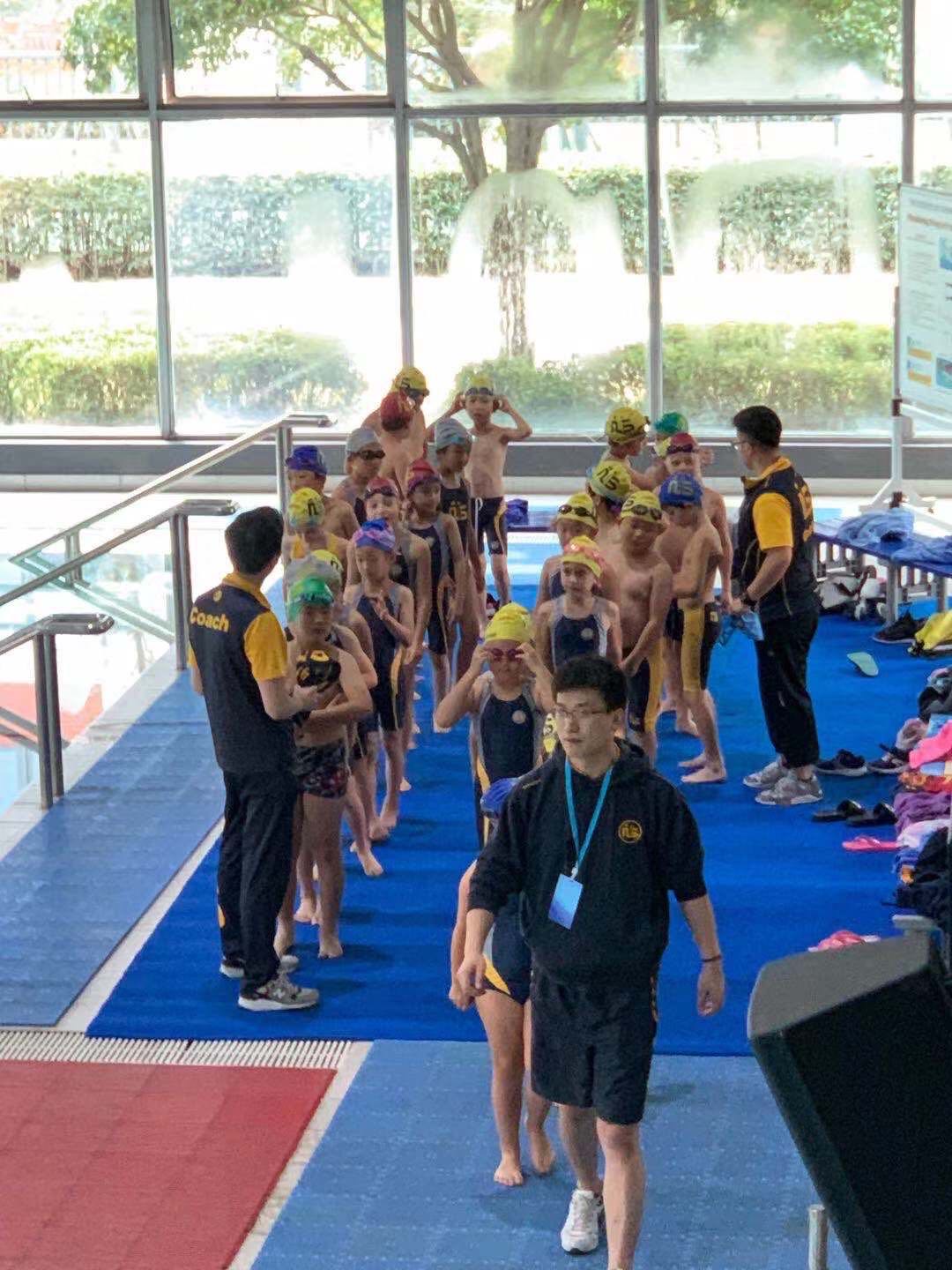
The Mini Squad consists of swimmers approximately between the age of 5-8 years.
NIS Mini Lions are offered 2 trainings a week and shall attend both.
This Team participates in the SSL Development Series, the NIS series and the ISNAC swim meets. These swim meets are aiming at developing swimmers abilities and skills.
The following is a range of criteria for a swimmer of the Mini Squad:
The swimmer:
- understands that he or she has made a learning commitment and listens to instructions.
- understands that he or she is part of the NIS competitive swim team and respects his or her teammates
- is 8 years and under and is willing to paricipate in swim meets.
- understands appropriate team / pool rules and the consequences of breaking the rules.
- listens to recommendations from the coach and tries to make the appropriate changes.
- can complete a 30-minute practice session.
NIS Transition Squad
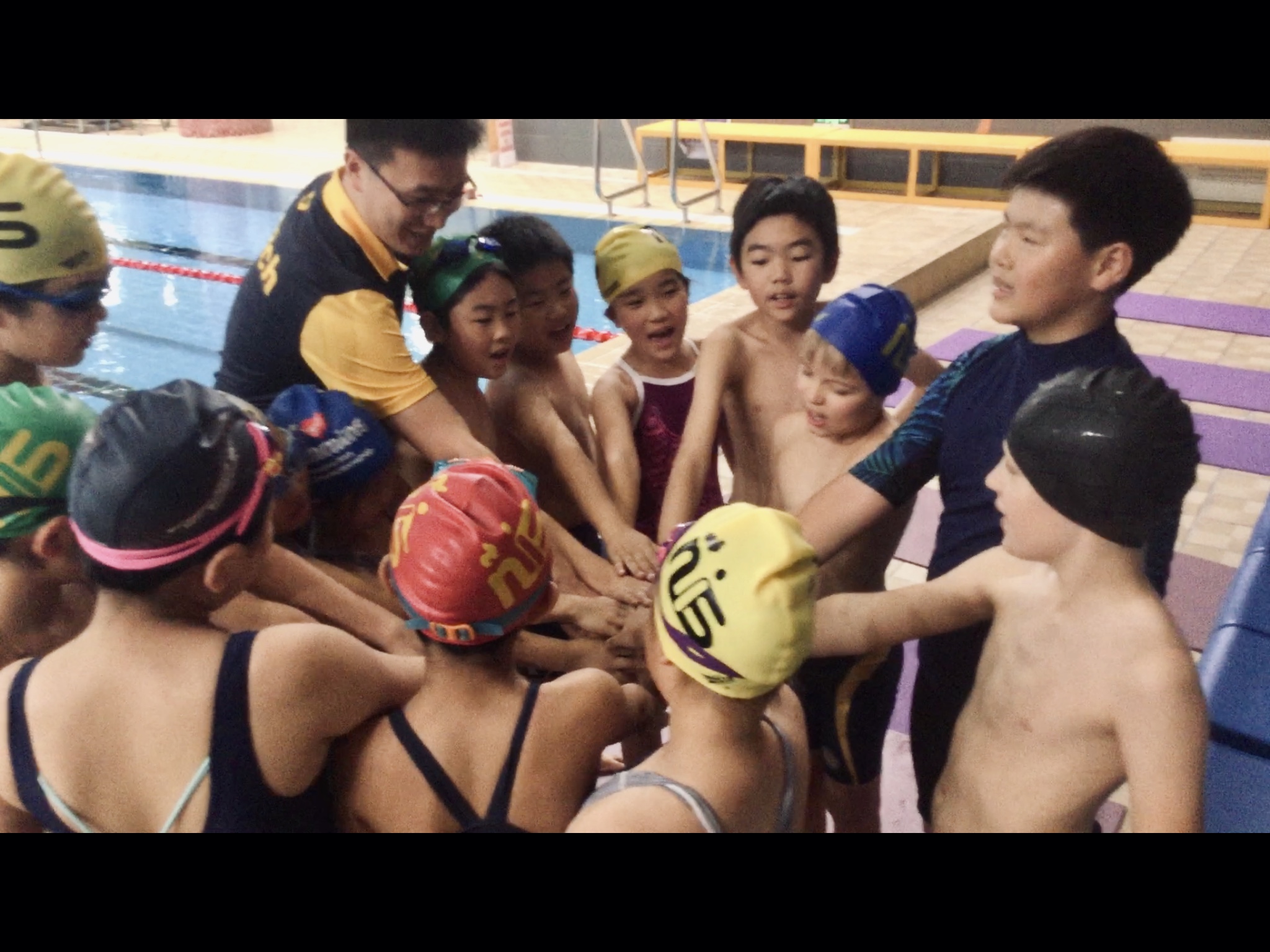
Swimmers in the Transition Squad are generally between 9-11 year old (but not exclusively).
Transition Squad swimmers have 2 opportunities per week to train and are expected to come to both sessions.
The Transition team participates in at least 2 'Development Swim Meets' a year and selected swimmers of this team participate in the SSL Swim League. The SSL swim league arranges swim meets around Shanghai.
Swimmers who were chosen to represent NIS at the SSL swim meets travel with a parent by bus to these venues and may stay overnight.
The following is a range of criteria for a swimmer on the Transition Squad:
The swimmer:
- behaviorally demonstrates and verbally communicates that participation in this activity is worth their time and effort and they enjoy being there.
- demonstrates an understanding of sportsmanship competition behavior (e.g. congratulates team mates).
- treats teammates, parents, and coaches like they would want to be treated.
- talks to the coach after each race
- takes pride in being a member of the team
- participates in swim meets, supporting his or her teammates and wearing a NIS team team-kit when attendng swimmeets
- can complete a 45-minute practice session.
- can perform a continuous swim for five minutes.
- shows coordinated movement patterns in swimming and swims all four strokes with a fairly good understanding.
- executes a basic start from the blocks.
- possesses a basic understanding of the concept of concentration.
- knows the difference between focusing on what’s important and what’s not.
NIS Bronze Squad
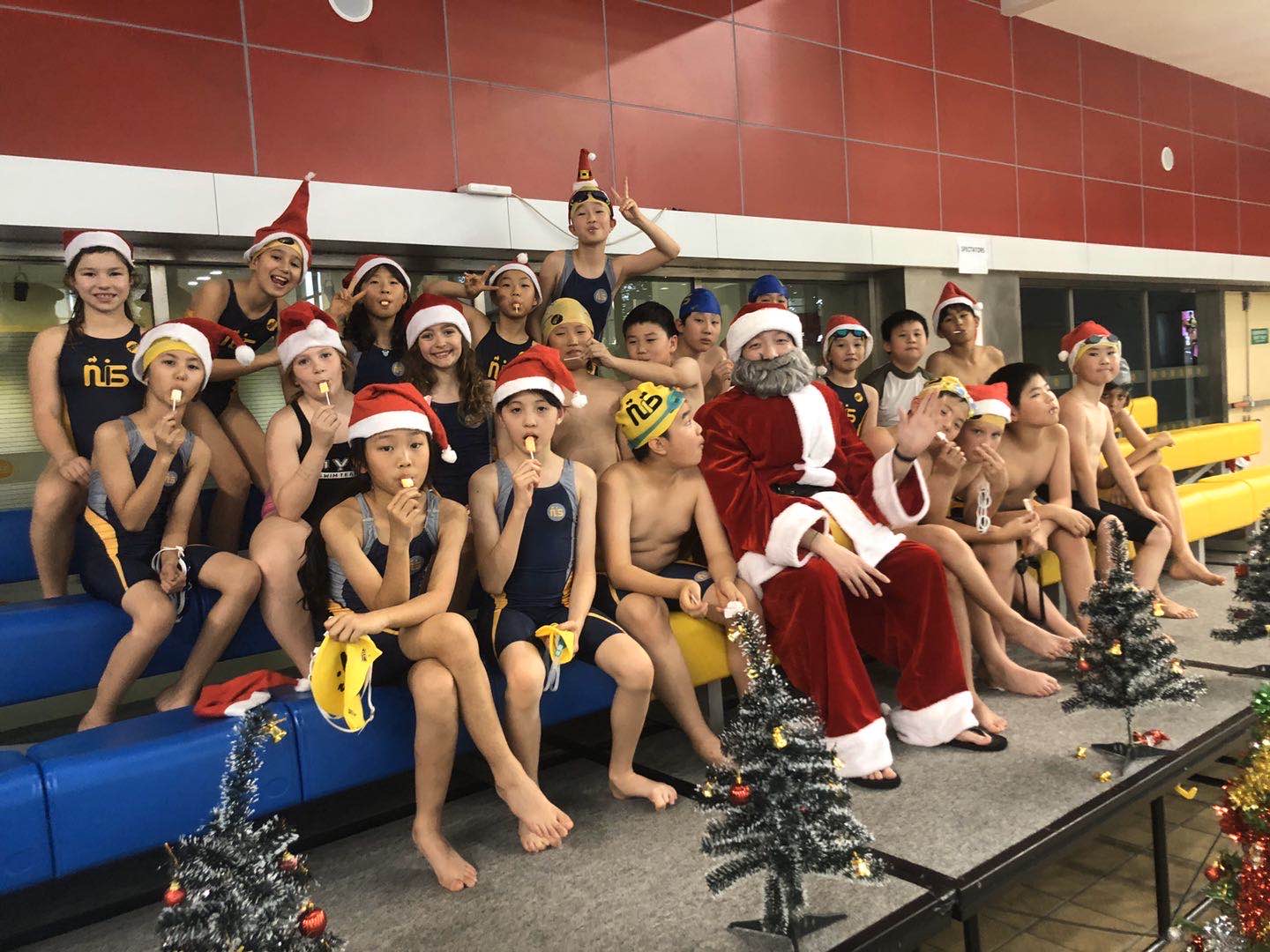
Most swimmers in this team represent the 9-10 or 11-12 year old age groups at SSL swim meets.
Bronze Swim team members participate frequently in the SSL swim league. Selected swimmers of this squad represent NIS at the ACAMIS Swimming Championships for either the 9-10 year old category or he 11-12 year old category.
Bronze swimmers are offered 3 swim sessions a week which are mandatory to attend.
The following is a range of criteria for a swimmer on the Bronze Squad:
The swimmer:
- is able to listen and respond to instructions from the coach.
- demonstrates an understanding of sportsmanship competition behavior (e.g. congratulates opponents).
- talks to the coach immediately after each race.
- knows basic meet procedures including how to use and read a heat sheet and how to write down his / her events.
- learns basic race tactics.
- understands the importance of hard work in the classroom and will complete his or her homework on time even when attending swim meets on weekends.
- swims the entire set (e.g., doesn’t walk on bottom, counts accurately).
- communicates to his or her coach when a training or swim meet is missed.
- is introduced to games and activities that include their own body weight or activities such as kicking, throwing, tossing, hopping, jumping and skipping.
- takes pride in being a member of the team
- demonstrates and understands good technique in most strokes.
- performs 100 meters of individual medley with legal technique and turns.
- performs relay exchanges.
- performs prescribed underwater dolphin kicks for freestyle, backstroke and butterfly starts and turns.
- participates in competitive situations for the primary purpose of skill development (i.e. time trials, intra-squad meets, dual meets, and school competitions)
NIS Gold & Silver Squad
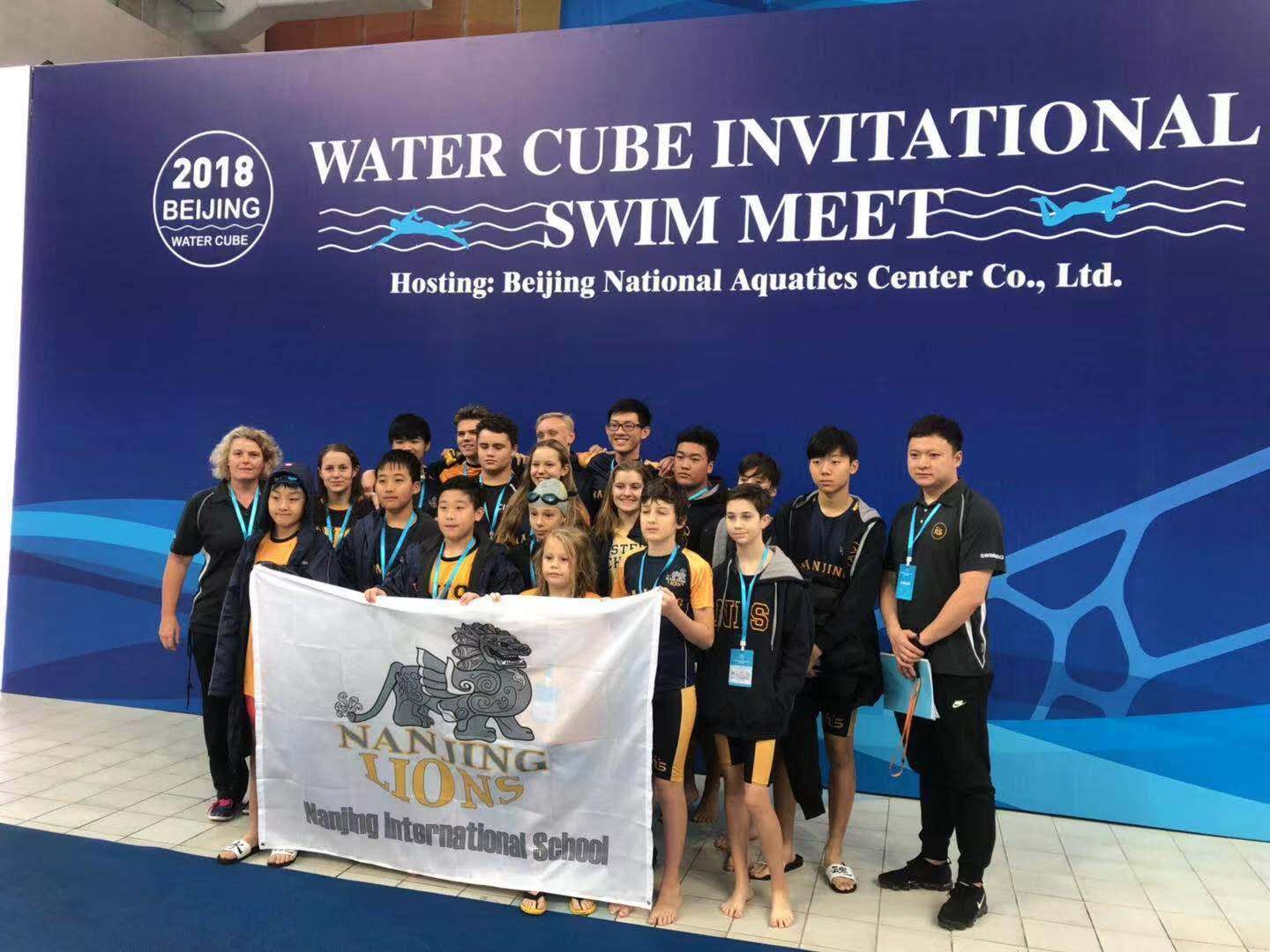
The Gold and Silver Squad has initially 3 mandatory swim sessions. Once these are met on a regular base, a 4th training session is offered and if a swimmer regularly participates in all of those 4 swim sessions an opportunity is given to train a 5th time.
Gold and Silver swimmers participate regularly in the SSL Swim League swim meets with overnight stays. These swimmers are selected to represent NIS at the ACAMIS Swimming Championships.
The age groups in these training groups are generally: 13-14 years and 15 years and over.
The following is a range of criteria for a swimmer on the Gold & Silver Squad:
The swimmer:
- takes responsibility for his or her actions and is accountable
- demonstrates sportsmanship behavior (e.g. congratulates opponents at award ceremonies or after swum races).
- talks to the coach immediately before and after each race. (Gold swimmers do so independently)
- has a strategy before he or she races (race tactics).
- gives his or her best effort at all times (meets and in practice).
- demonstrates an ability to balance school and outside activities.
- makes up homework tasks independently by communicating with the teacher for each subject.
- understands basic mental preparation and relaxation techniques.
- is able to accept criticism from the coach and understands that criticism is a critique of skills not a critique of an individual.
- sets and writes process and outcome goals. (Gold swimmers do so independently)
- is able to participate in short sprints of all strokes at maximum velocity working on racing skills,coordination, starts and finishes.
- executes balancing drills or technical drills (Gold swimmers: with expertise).
- is able to perform T30 or other threshold sets without stopping.
- is introduced to athletic movements on land.
