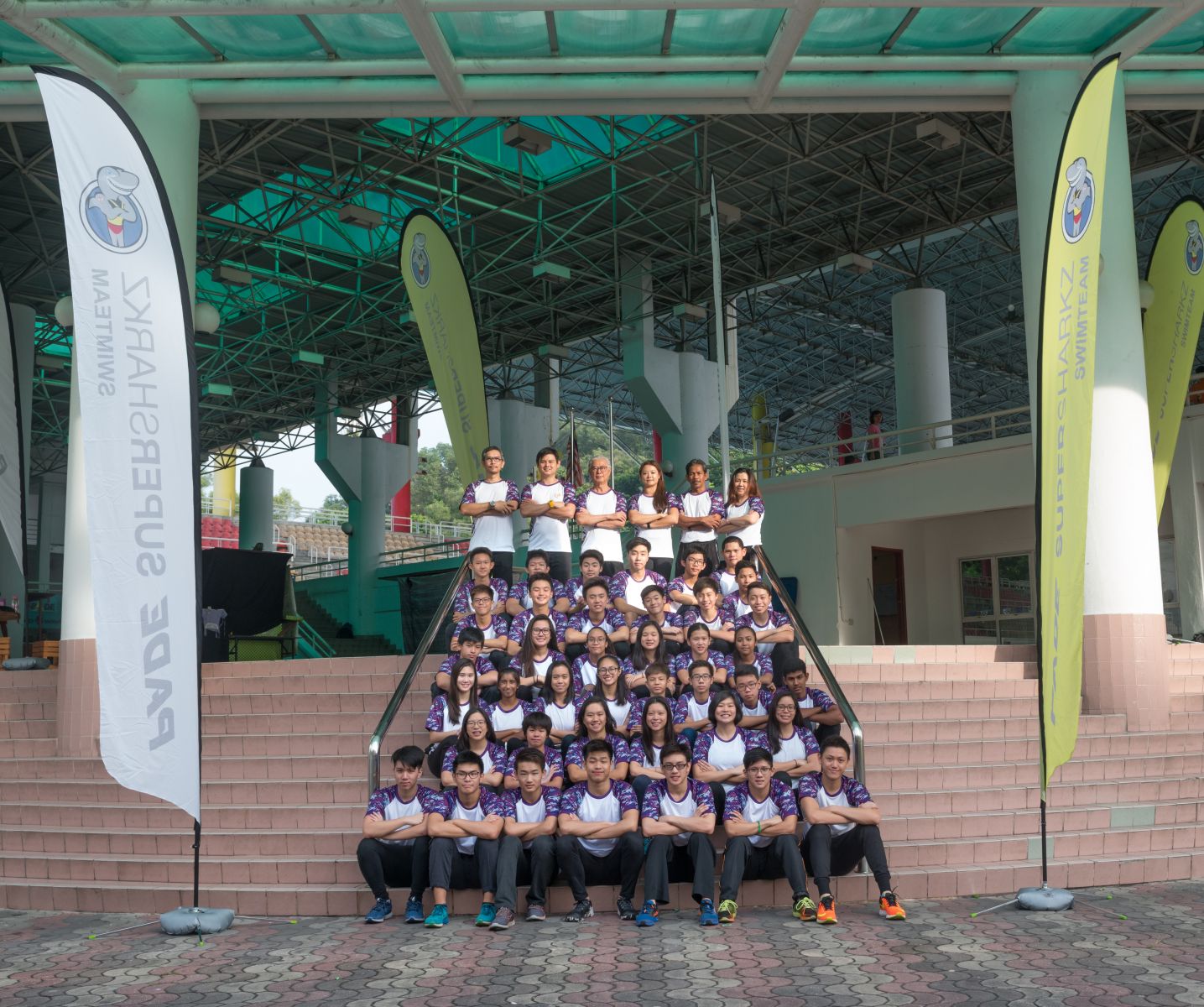
Elite


LTAD Stages: 5 & 6 – Train to Compete & Train to Win


Overview

The Elite group consists of fully committed swimmers who are very motivated and goal-driven. Swimmers entering this program have significant swimming career achievements. At the core of the program is a cyclical annual training plan crafted to peak the swimmers two to three times per year in accordance with the meet schedule. 400 IM and 400-1650 freestyle events become benchmark for training and testing. All energy systems are emphasized, including lactate tolerance training. There is a daily focus stroke refinement, starts, turns and transitions.


Land Training Emphasis

Core strengthening and stabilizing exercises, continue to develop strength through body weight exercises, functional training, suspension training and weight lifting

Practice times: Monday to Friday 7:30pm-10:00pm, Saturday & Sunday 7:30-11:00am & 3:00-5:00pm

Expectations: Training

Can complete the following practice sets:

  • 4x400IM on 6:20 (Boys)/6:40 (Girls)
  • 12x100m Kick on 2:00
  • 24x100m Free on 1:20 (Boys)/1:25 (Girls)
Competition Competes in all events or stroke specific events
Biomechanics
  1. Continues to decrease the number of strokes or swim faster with the same number of strokes
  2. Can calculate swimming speed, distance per stroke and stroke rate

Physiology

  1. Can perform sit-ups, push-ups and chin-ups with improvement from previous group
  2. Performs T-30 or other threshold set three times per season with continuous improvements
  3. Performs lactate tolerance sets with continuous improvements
  4. Can describe the relationships between training sets and energy systems
  5. Demonstrates understanding of training periodization
  6. Understands nutritional requirements of training and competition
Accountability
  1. Accepts the responsibility of being a leader and/or role model
  2. Leads by being a positive example
Work Ethic & Self Discipline Demonstrates an understanding of the short- and long-term effects of performance-enhancing drugs
Time Management Mastered time management skills so outside activities do not interfere with practice and meets
Commitment & Loyalty
  1. Understands the need to sacrifice self-interest for team goals
  2. Demonstrates commitment to his/her team by continued dedicated membership
Psychological Skills
  1. Understands factors that arouse and relax the athlete
  2. Utilizes relaxation techniques under meet duress to perform optimally
  3. Learns to utilize imagery skills to manage competitive stress
  4. Able to visualize a race from start to finish in complete detail (seeing, hearing, smelling, feeling)
  5. Able to quickly rebound from mistakes and failures
  6. Able to successfully use pre-race routines to maintain concentration
  7. Consistently “swims in own lane” in practice and meets
  8. Able to positively reframe uncontrollables and adversity
Attendance All practices are mandatory