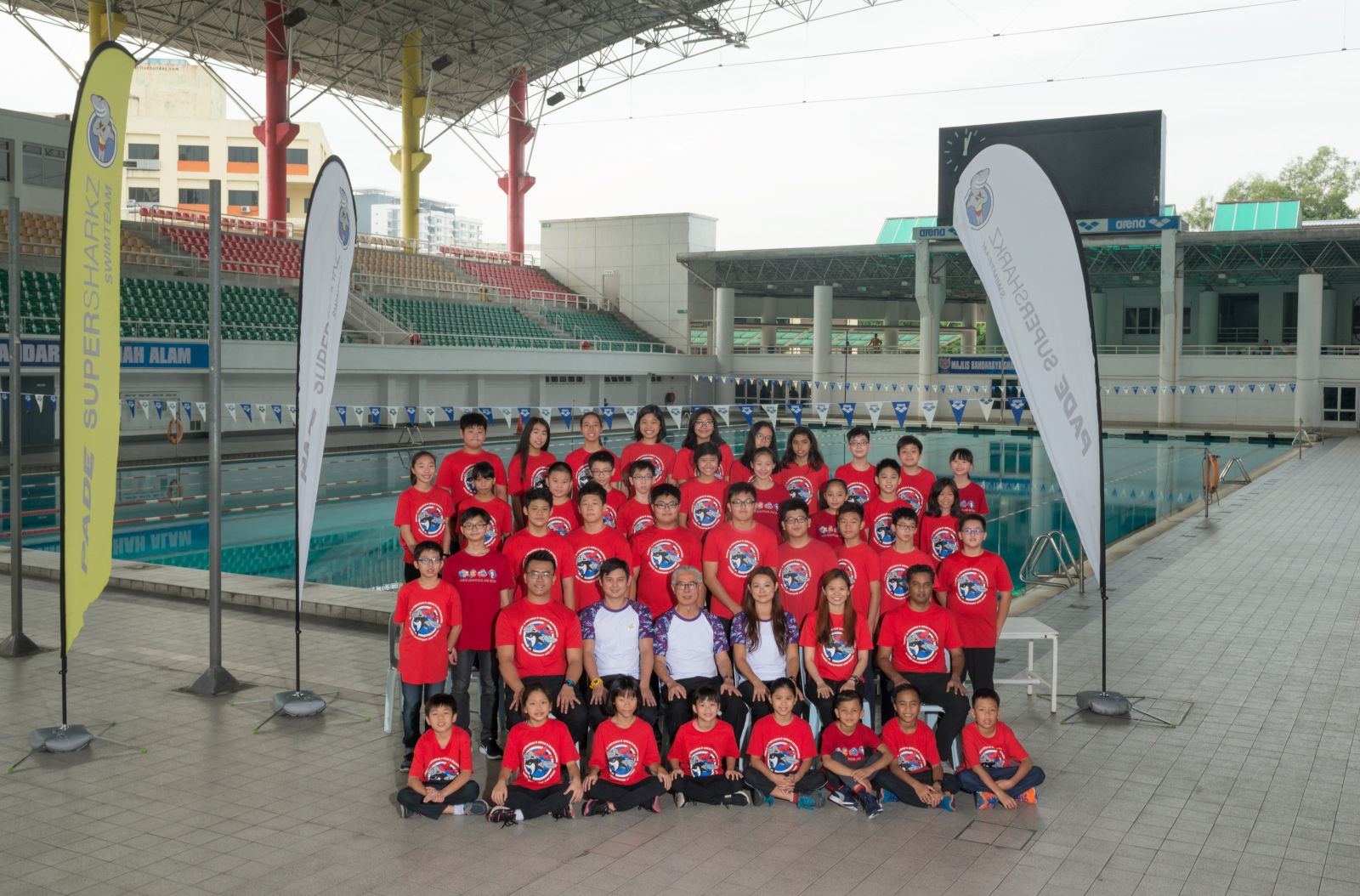
Piranha
LTAD Stage: 2 – FUNdamentals
Overview:
The program focus of the Piranha group builds on skill development, stroke construction, and refinement. Swimmers are introduced to interval sets, effort, and pace management. General education on learning how to train, manage hydration and nutrition levels before, during, and after practice begins at this level. Coaching staff directs swimmers in developing strong work ethics. Basic racing concepts are introduced with stroke rate/stroke count, effective air exchange techniques during starts and turns, as well as event-specific breathing patterns.
Land Training Emphasis:
Developing ABCs (Agility, Balance, Coordination, Speed), RJT (Running, Jumping, Throwing), KGBs (Kinesthetics, Gliding, Buoyancy, Striking with the body) and CKs (Catching, Kicking, Striking with an implement)
Practice Times: Tuesday to Friday 7:30pm-9:00pm, Saturday 7:30-9:00am
| Expectations: Training | Can complete the following practice sets:
|
| Competition | Competes in all 50m and100m events, and 200m IM offered in his/her age group |
| Biomechanics | Performs a legal 200m IM swim |
| Physiology |
|
| Accountability | Demonstrates a higher level of sportsmanship behaviour (ie. Respects competitors and gets along with friends regardless of ability level) |
| Work Ethic & Self Discipline |
|
| Time Management | Demonstrates an ability to balance school and outside activities |
| Commitment & Loyalty | Chooses a national swimming hero and knows the event in which he/she competes in |
| Psychological Skills |
|
| Attendance | At least 4 times a week |