


Sunday Message: Why Compete?
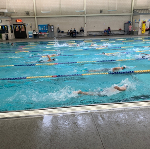

Why Compete?
Competition gives us the opportunity to see what our athletes are capable of not just physically, but mentally and emotionally as well. In swimming, progress isn’t measured only by times on a clock. It’s also measured by confidence, resilience, focus, and the ability to keep showing up, even when things feel hard.
As coaches, we use competition as one of many tools to understand where an athlete is in their development. It helps us celebrate progress, identify areas for growth, and guide swimmers forward in a healthy, thoughtful way.
The brain is often called the strongest “muscle” in the body. Through competition, athletes learn how to manage nerves, handle pressure, and trust themselves. As coaches, we call this building toughness and these experiences don’t happen overnight. Instead they are built gradually, through patience, encouragement, and practice. Growth begins with understanding where you are and believing that improvement is possible.
Competitive sports naturally come with challenges and swimming is no exception. There will be days when training feels tough or motivation feels low and that’s okay. These moments, especially when shared with teammates, help athletes build resilience and meaningful relationships. Supporting one another through ups and downs is a powerful part of the journey.
Competition helps athletes recognize both strengths and weaknesses. When guided with positive reinforcement, it builds commitment and confidence. Stress can appear when expectations feel high, but with the right support and mindset, athletes learn to focus, adapt, and move forward stronger than before.
A positive mindset allows swimmers to visualize goals and stay connected to why they swim. Commitment isn’t about being perfect every day or chasing instant fixes. Commitment is about continuing to try, learning from mistakes, and trusting the process.
Committed athletes grow over time. They learn how to train hard, recover well, fuel their bodies, rest properly, and contribute positively to the team environment. Just as importantly, they learn balance and how to listen to their bodies and minds, and how to ask for support when needed.
Motivation doesn’t mean pushing endlessly without rest. True motivation comes from enjoyment, purpose, and the belief that effort matters. Athletes who are motivated focus on daily details, celebrate small wins, and are driven by the desire to improve not by fear of failure.
Achievement motivation happens when swimmers aim for success while managing anxiety and maintaining perspective. When athletes feel supported by their coaches and families, confidence grows and performance follows.
Qualities of a Focused, Motivated Swimmer:
-
A clear, calm mind
-
Positive and constructive self-talk
-
Focus on the task at hand
-
Desire to improve skills
-
Ability to manage emotions
-
Goal-oriented thinking
-
Comfort with relaxation and recovery
-
Visualization and imagination
Motivation ultimately comes from within, but it is nurtured by encouragement, trust, and teamwork. Dreams spark the journey; commitment fuels it. And no athlete achieves those dreams alone.
Success in swimming is a performance partnership between athlete, coach, and parents. When everyone works together, athletes feel supported, valued, and confident.
Swimming teaches accountability, responsibility, and perseverance. Mistakes are part of the process, and learning from them is how athletes grow. Progress isn’t just about speed or strength it’s about developing the whole person: character, values, and confidence.
Do we want our kids to win? Absolutely. But winning is just one moment. What lasts far longer are the lessons learned along the way—how to work hard, stay humble, support others, and believe in themselves.
Winning is a bonus. Growth is the goal.
By focusing on integrity, effort, courage, and teamwork, we help athletes become not only stronger swimmers, but stronger people. And that is what creates champions not just in the pool, but for life.
